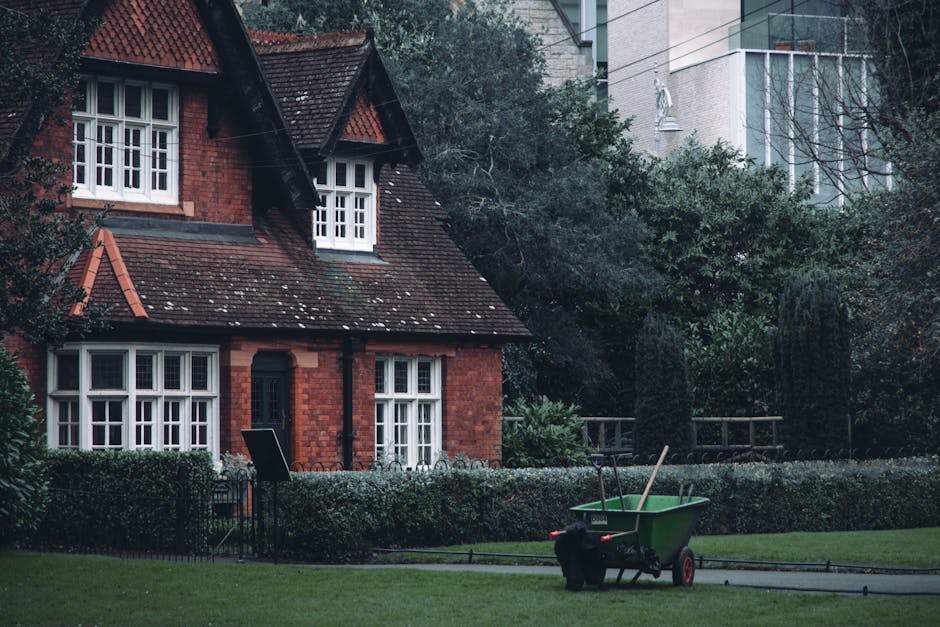
Swakeleys Road garden maintenance for Ickenham homeowners: a practical local guide
If you live on or near Swakeleys Road, you already know the garden has a funny way of reflecting the pace of the house itself. One week it looks calm and tidy; the next, the hedges have crept out, the lawn is patchy, and the borders are doing their own thing. Swakeleys Road garden maintenance for Ickenham homeowners is really about staying ahead of that drift, keeping outdoor spaces healthy, presentable, and manageable through the seasons without turning every weekend into a battle with the wheelbarrow.
This guide breaks down what regular garden maintenance involves, how local homeowners can approach it sensibly, and where the real value lies. Whether you want a neat front garden, a usable family space, or simply fewer chores hanging over you, the practical steps below will help you make better decisions. And yes, a good garden can make a surprisingly big difference to how a home feels day to day.
Table of Contents
- Why Swakeleys Road garden maintenance for Ickenham homeowners Matters
- How Swakeleys Road garden maintenance for Ickenham homeowners Works
- Key Benefits and Practical Advantages
- Who This Is For and When It Makes Sense
- Step-by-Step Guidance
- Expert Tips for Better Results
- Common Mistakes to Avoid
- Tools, Resources and Recommendations
- Law, Compliance, Standards, or Best Practice
- Options, Methods, or Comparison Table
- Case Study or Real-World Example
- Practical Checklist
- Conclusion
- Frequently Asked Questions
Why Swakeleys Road garden maintenance for Ickenham homeowners Matters
Gardens on residential streets like Swakeleys Road tend to face a predictable mix of pressures. You get foot traffic, front gardens that need to look presentable, tree shade in some spots, and the usual British weather doing its best to keep everyone humble. One dry spell and the lawn thins out. A damp month later, the weeds are back like they own the place. Truth be told, that is normal.
Regular garden maintenance matters because small jobs become bigger jobs very quickly. A hedge left for a few months can block light, swallow paths, and make a front boundary look messy. A lawn left too long can turn lumpy. Beds left unmanaged can become packed with self-seeded plants that are harder to sort later. A bit of routine care saves time, money, and a fair amount of frustration.
There is also the local presentation side. For homeowners in Ickenham, the front garden is often part of the home's first impression, and the rear garden is where family life, summer dinners, and quiet morning coffees happen. When both spaces are looked after, the whole property feels more settled. It is not just about neatness either. Proper maintenance supports healthier plants, better drainage, safer access, and a more enjoyable outdoor space.
In our experience, homeowners often notice the biggest difference not after a major overhaul, but after a steady few visits focused on the basics. The garden starts to feel lighter. Easier. Less like a list of things you should be doing and more like a space you actually want to use.
Practical takeaway: regular maintenance is not about making the garden perfect. It is about preventing avoidable problems, keeping the space usable, and making each season easier to handle.
How Swakeleys Road garden maintenance for Ickenham homeowners Works
Garden maintenance usually works best as a repeatable process rather than a one-off rescue. That sounds obvious, but many gardens only get attention when something has already gone wrong. A better approach is to work through the property in a sequence: assess, prioritise, tidy, maintain, and review. Simple enough on paper. On a windy Thursday with a half-empty compost bag, slightly less simple.
A sensible maintenance plan for a home near Swakeleys Road normally includes a combination of seasonal tasks and regular touch-ups. These may include lawn cutting, edging, hedge trimming, weeding, deadheading, pruning, leaf clearance, border tidy-ups, and clearing paths or patios. Some homes also need shrub shaping, tree maintenance, or small landscaping corrections where the layout is no longer practical.
The key is matching the work to the garden's condition and the homeowner's goals. A family garden used every day needs a different rhythm from a front garden that mainly exists to look smart from the street. A mature garden with established trees also needs a more careful approach than a newer, simpler plot. That is where local judgement matters. A good maintenance routine is not generic. It responds to what your garden actually needs.
If you are thinking in practical terms, maintenance tends to fall into three layers:
- Routine care: mowing, edging, light weeding, deadheading, and keeping things tidy.
- Seasonal work: leaf clearance, pruning, cutting back, planting refreshes, and checking soil condition.
- Recovery work: clearing overgrown areas, rebalancing borders, tackling neglected hedges, or restoring a tired lawn.
That layered approach is useful because it stops the garden swinging between overgrown and overworked. You get consistency, which is often what homeowners want most, even if they do not say it out loud.
Key Benefits and Practical Advantages
The benefits of garden maintenance are easy to underestimate because they build quietly. You do a little now, and the reward comes later when everything is still under control. Not flashy, but very effective.
| Benefit | What it means in practice | Why homeowners notice it |
|---|---|---|
| Better appearance | Tidier lawns, sharper edges, cleaner beds, and healthier planting | The garden looks cared for without needing a full redesign |
| Less long-term work | Small jobs are handled before they become heavy jobs | Fewer weekend catch-up sessions |
| Healthier growth | Plants get light, air, and space to develop properly | Less dieback, less crowding, fewer weak patches |
| Safer access | Paths, steps, and borders stay clear | Reduced trip hazards and better day-to-day movement |
| Stronger kerb appeal | Front gardens look more polished and welcoming | Important for first impressions and property presentation |
There is a quieter benefit too: reduced stress. Let's face it, an overgrown garden can sit in the back of your mind every time you look out the window. A maintained garden feels different. It invites use instead of guilt. You can open the door, glance out, and think, yes, that looks manageable.
For some homeowners, the real advantage is seasonal rhythm. Spring feels like a fresh start. Summer becomes about growth control and enjoying the space. Autumn brings leaf clearance and preparation. Winter is the time for structural tidying and planning ahead. Once that pattern is established, the garden stops being reactive and starts becoming easier to live with.
Who This Is For and When It Makes Sense
Swakeleys Road garden maintenance for Ickenham homeowners makes sense for a wide range of situations, but it is especially useful if one or more of the following sounds familiar:
- You have a busy household and the garden keeps slipping down the list.
- Your hedges, borders, or lawn need regular attention but you do not want the hassle.
- You have inherited a garden that needs steady improvement rather than a complete redesign.
- You want a front garden that looks tidy from the street without constant effort.
- You are preparing to sell, let, or simply refresh the property's appearance.
- You enjoy the garden, but only if the hard work is handled properly.
It also makes sense for homeowners who are physically able to do some of the work but not all of it. A common pattern is to handle small tasks yourself and leave heavier or higher-risk work to a professional. That can be a sensible split, especially where tall hedges, awkward pruning, or larger clearances are involved.
Then there are the gardens that look fine from a distance but are quietly becoming difficult to manage. You know the type. The lawn still exists, technically. The borders still have plants, technically. But every task now takes longer because the basics have been left too long. That is usually the moment to get a proper maintenance routine back in place.
Step-by-Step Guidance
If you want to manage a garden well, it helps to work in a sequence rather than jumping from one problem to another. Here is a practical approach that works well for many Ickenham homes.
1. Start with a proper walkaround
Look at the garden as a whole before you pick up any tools. Notice where growth is dense, where soil looks tired, where paths are cluttered, and which areas get the most sun or shade. This first pass is small but important. It saves time later and helps you avoid trimming things that were not the problem in the first place.
2. Deal with access first
Clear paths, steps, gates, and work areas so the garden is safe to move through. If there are piles of cuttings or loose debris, remove them early. A clear route makes the rest of the work smoother, and it reduces the chance of little accidents. Nothing dramatic, just common sense.
3. Tackle the structural growth
Hedges, shrubs, and any overhanging growth usually need attention before detailed tidying. Why? Because these are the features that shape the whole garden. If they are left unchecked, everything else feels messier. This is also the stage where you decide whether something needs light shaping or a more substantial cut-back.
4. Move to lawn and border maintenance
Once the larger structure is in hand, turn to the lawn, borders, and beds. Mow if needed, edge along pathways, remove weeds, and trim back plants that are encroaching on each other. The goal is not to strip the garden bare. It is to restore balance. That balance matters more than people think.
5. Finish with detail work
Deadhead flowers, sweep hard surfaces, check for broken ties or damaged stems, and tidy the final edges. This is the stage that makes the garden feel cared for rather than merely cut back. Small detail work can make a surprisingly big difference. A surprisingly big difference, actually.
6. Review what will need attention next
Before you stop, note what should be done in the next visit or in the next season. Maybe a shrub needs shaping later in the year. Maybe a lawn area needs feeding or aerating. Maybe a border would benefit from thinning out. That review step is the difference between ad hoc tidy-ups and a proper maintenance rhythm.
If you prefer a simple rule, use this: maintain the parts you notice first from inside the house, then the parts guests notice first from the gate. It sounds a bit too neat, but it works.
Expert Tips for Better Results
A few small habits can make garden maintenance much more effective without adding much extra work. These are the kinds of details that often separate a garden that merely survives from one that actually looks well run.
- Work with the season, not against it. Pruning, cutting back, and lawn work all make more sense when timed properly for the plant and the weather.
- Keep edges crisp. A neat edge along a lawn, border, or path can make a garden look instantly more deliberate.
- Do little and often. Ten minutes a week can prevent a two-hour repair job later on. No glamour in that, but it works.
- Watch for congestion. If plants are crowding each other, they will compete for light and airflow, which often leads to weaker growth.
- Mulch bare soil where appropriate. It can help suppress weeds and retain moisture, although it should be used thoughtfully and not piled against stems.
- Keep tools clean and sharp. Clean cuts are better for plants and easier on you. Dull tools are a nuisance, full stop.
- Use rainfall to your advantage. After wet weather, soil is often easier to work; after dry spells, some tasks may need more care to avoid stress to plants.
One thing many homeowners overlook is the view from indoors. Sit by the kitchen window for a minute and look at the garden as you normally see it. Not how it looks from the gate, but how it feels from daily life. That is usually where the real priorities show up.
Common Mistakes to Avoid
Garden maintenance problems are often caused less by neglect than by well-meant mistakes. The good news is that most of them are easy to avoid once you know what to look for.
Cutting too much at once
It is tempting to take a big hit out of an overgrown hedge or shrub and be done with it. But heavy cutting can shock some plants and leave gaps that take time to recover. A more measured approach is usually safer unless a plant specifically needs major reduction.
Ignoring the lawn until it becomes a problem
Lawns often look simple, which makes them easy to underestimate. Let one go for too long and you may find thin patches, moss, compaction, and uneven growth all arriving together. Much less fun than it sounds.
Weeding only the visible parts
Pulling what you can see is fine for a quick tidy, but root systems and seed spread matter. If a border is full of recurring weeds, a deeper approach is needed or the same issue returns very quickly.
Overloading the garden with plants
A packed border may look generous at first, but too many plants fighting for the same space usually leads to poor airflow, reduced flowering, and more maintenance. Sometimes the best thing you can do is remove a few things so the rest can breathe.
Forgetting disposal and recycling
Cuttings, branches, and soil waste need to be handled properly. Leaving piles sitting around can attract pests, block light, and make the whole space look unfinished. A tidy finish is part of the job, not an afterthought.
Another subtle mistake is assuming the garden needs a full redesign when what it really needs is regular care. Sometimes that is true, to be fair. But often a well-considered maintenance routine solves much more than people expect.
Tools, Resources and Recommendations
You do not need a shed full of specialist kit to maintain a garden well. A small, reliable set of tools will cover most routine work. The trick is choosing tools that suit the size of the garden and the type of work you actually do.
- Lawn mower: useful for keeping grass at a steady height and maintaining a neat finish.
- Hand shears or hedge trimmer: for shaping hedges and keeping growth under control.
- Secateurs: ideal for finer pruning, deadheading, and light cutting tasks.
- Spade and fork: helpful for borders, soil work, and lifting compacted material.
- Rake and broom: useful for leaf collection and tidying hard surfaces.
- Gloves and sturdy footwear: basic, but worth it every time.
For larger or more awkward gardens, professional help can be useful when the task needs speed, consistency, or specialist handling. That may include hedge trimming, clearances, lawn restoration, or larger landscaping adjustments. If you are comparing options, it can help to look beyond the immediate task and think about long-term maintenance needs too.
For homeowners who want a broader view of what is available, the services overview is a sensible place to start. If your garden has become cluttered, overgrown, or difficult to enjoy, garden clearance may be the more practical first step before routine maintenance resumes. And if you are trying to keep hedges neat and manageable, the dedicated hedge trimming service can be especially useful.
Some homeowners also look at long-term improvements alongside maintenance. In that case, it may be worth exploring landscape gardening or broader landscaping ideas if the layout itself is making upkeep harder than it needs to be.
Law, Compliance, Standards, or Best Practice
For most domestic garden maintenance, the main rule is simple: work safely, manage waste responsibly, and avoid causing nuisance or damage to neighbouring properties. That sounds obvious, but in practice it means thinking ahead before you start a noisy, messy, or large-scale job.
Good practice usually includes checking boundaries before cutting hedges, being careful with overhanging branches, and making sure cut material is stored or removed sensibly. If tools, ladders, or machinery are involved, safe handling matters more than speed. It is easy to forget that a quick job becomes a risky job the moment you rush it.
Where waste is concerned, garden material should be disposed of or recycled appropriately. Many homeowners prefer to separate green waste from general rubbish where possible. That is not just tidy; it is sensible. If sustainability matters to you, the approach set out on the recycling and sustainability page offers a useful perspective on handling materials responsibly.
Professional gardeners should also be able to explain how they handle safety, equipment, and site practices. If that reassurance matters to you, the information on health and safety and insurance and safety can help set expectations. It is the kind of detail people often skip until they need it. Better to check early, frankly.
Finally, it is sensible to expect clear communication about pricing, scope, and what is included. The pricing and quotes page is a good reference point if you want to understand how garden work is typically costed before booking anything in.
Options, Methods, or Comparison Table
Different gardens call for different maintenance styles. Choosing the right approach depends on how much time you have, how mature the planting is, and how much change you want to make. Here is a straightforward comparison.
| Method | Best for | Pros | Trade-offs |
|---|---|---|---|
| DIY maintenance | Small gardens, light upkeep, hands-on homeowners | Lower immediate cost, flexible timing, personal control | Time-consuming, easy to let tasks build up, may lack specialist finish |
| Regular professional maintenance | Busy households, larger gardens, consistent presentation | Reliable routine, better long-term control, less stress | Ongoing cost and the need to coordinate visits |
| One-off restoration | Overgrown or neglected gardens | Fast reset, visible improvement, useful starting point | Needs follow-up to stop the garden slipping back |
| Maintenance plus landscaping | Gardens with layout issues or repeated problem areas | Can solve root causes, improves usability and appearance | Requires more planning and usually a bigger budget |
If you are unsure which route to take, ask yourself one simple question: do you want to keep a garden in good shape, or do you need to rescue and then keep it in shape? The answer usually points you in the right direction.
Case Study or Real-World Example
Here is a realistic example based on the kind of garden maintenance many Ickenham homeowners deal with. A front and rear garden on a residential stretch of Swakeleys Road had become manageable in theory but awkward in practice. The lawn was still there, the hedge was still there, but both had started to dominate their spaces. The borders had collected a mixture of self-seeded growth, old stems, and a few plants that were no longer thriving in the shade.
The first visit focused on sorting access, reducing the hedge, and clearing away dead material. That made an immediate difference. The second stage was quieter: edging the lawn, weeding the borders, and opening up areas that had become crowded. Nothing glamorous. Just careful, steady work. After that, the homeowner could see the whole garden again. That is often the first win.
What changed most was not just appearance but usability. The path became easier to walk. Light reached a couple of areas that had been dim for months. The lawn looked cleaner. A small seating area that had felt a bit abandoned started to feel like part of the house again. There was still work to do, of course. Gardens never really stop needing attention. But the space went from nagging problem to something that felt under control.
That is usually what good maintenance does best. It restores confidence. Not perfection. Confidence.
Practical Checklist
Use this checklist if you want to keep your garden on track between visits or over the course of the season.
- Check the lawn height and mow before it gets too long.
- Edge borders and paths so the garden keeps its shape.
- Remove weeds before they flower and spread seed.
- Trim hedges and shrubs before they become unruly.
- Deadhead flowers and remove tired growth where needed.
- Clear leaves, debris, and cuttings from lawns and paths.
- Inspect for broken branches, damaged stems, or unstable growth.
- Look at drainage and soil condition after heavy rain.
- Review which plants are overcrowded or underperforming.
- Set a simple follow-up date so maintenance does not slip.
If even half of that list sounds overdue, that is usually your sign to step back and reset the routine. Nothing dramatic. Just a sensible catch-up.
Conclusion
Swakeleys Road garden maintenance for Ickenham homeowners is really about keeping a good outdoor space usable, tidy, and easy to live with. A well-maintained garden does not need to be elaborate. It just needs the right attention at the right time. A lawn that is cut regularly, hedges that are kept in check, borders that are not overrun, and paths that stay clear can transform how a home feels.
The best results usually come from consistency rather than heroic effort. A little care now, a little more in season, and a sensible plan for the jobs you do not want to tackle alone. That is the quiet formula behind a garden that stays pleasant instead of becoming a project you keep postponing.
If you want to move from patchy upkeep to a more reliable routine, it helps to start with the basics, be honest about what needs doing, and choose support where it makes life easier.
Get a free quote today and see how much you can save.
And if the garden has been bothering you for a while, that is okay. Most good outdoor spaces start with a decision, not a dramatic makeover.
Frequently Asked Questions
How often should I schedule Swakeleys Road garden maintenance for Ickenham homeowners?
It depends on the size of the garden, the planting, and how tidy you want it to look. Many homes benefit from regular upkeep during the growing season, with lighter visits in quieter months. A small garden may only need occasional help, while a larger or faster-growing one usually needs more consistent attention.
What does a typical garden maintenance visit include?
Most routine visits cover mowing, edging, weeding, pruning, hedge trimming, deadheading, and tidying paths or borders. The exact scope depends on the garden's condition and your priorities. Some visits are mostly maintenance, while others focus on recovery or seasonal reset work.
Is garden maintenance the same as landscaping?
Not quite. Maintenance keeps an existing garden in good condition. Landscaping usually involves bigger changes to the layout, structure, or features of the space. If your garden mainly needs care rather than redesign, maintenance is the better fit. If the layout itself is causing problems, landscaping may be worth considering.
Can I do garden maintenance myself and only hire help when needed?
Absolutely. Many homeowners do exactly that. It is a good approach if you are comfortable with routine jobs but need help with bigger, heavier, or more technical work. A mix of DIY and professional support can be very practical.
What are the biggest signs my garden needs professional attention?
Overgrown hedges, patchy lawns, blocked access, dense weeds, and borders that no longer look manageable are all common signs. If the work starts taking too long or feels too much for a weekend, that is often when professional help makes sense.
How do I know whether my garden needs a clearance or regular maintenance?
If the garden is simply untidy, maintenance is usually enough. If it is heavily overgrown, cluttered, or difficult to work in safely, a clearance may be the better starting point. Once the space is reset, routine maintenance can keep it under control.
Will regular maintenance help my lawn look better?
Yes, usually. Consistent mowing, edging, weed control, and occasional soil care can improve both appearance and health. A lawn left too long or ignored through the season often struggles more than people expect, especially after weather changes.
Do I need to worry about waste removal after garden work?
Yes, because cuttings, branches, and debris need to be handled properly. Good practice is to plan for disposal or recycling rather than leaving waste piled up. That keeps the garden tidy and avoids extra mess after the work is done.
What should I ask before booking a garden maintenance service?
Ask what is included, how often visits are recommended, how waste is handled, and whether the provider is clear about safety and pricing. It also helps to ask what they would prioritise first in your specific garden. That usually reveals a lot.
How can I keep my garden looking neat between visits?
Focus on small, regular habits: remove weeds early, keep edges sharp, clear fallen leaves, and avoid letting the lawn get too long. A quick ten-minute tidy here and there can make a surprising difference. It is the little things, really.
Is garden maintenance worth it for a small garden?
Yes, often more so than people realise. Smaller gardens show clutter quickly, so regular maintenance can have a big visual impact. Even modest upkeep can make a compact space feel calmer, cleaner, and easier to use.
How do I choose between different maintenance options?
Think about the condition of the garden, how much time you have, and whether you want a one-off reset or ongoing support. A tidy garden usually needs regular maintenance. A neglected one may need clearance first. If you are not sure, start with an assessment and go from there.