Recycling and Sustainability for Gardeners Ickenham
Welcome to our guide to creating an eco-friendly waste disposal area and a truly sustainable rubbish gardening area for Gardeners Ickenham. This page outlines local priorities, targets and practical partnerships that make responsible garden waste handling straightforward and effective in Ickenham and the surrounding boroughs. We celebrate a borough-wide approach to waste separation that encourages separate food waste, garden waste, dry recycling and residual waste collections, helping gardeners divert material from landfill into productive reuse streams.Our community-led vision prioritises low-impact landscaping and waste systems that are resilient and cost-effective. Garden waste and green trim can be transformed into compost, mulch or biomass feedstock when collected and processed correctly. By thinking in terms of resource recovery rather than rubbish, Gardeners Ickenham promotes circular practices: pruning becomes compost, old timber becomes habitat logs, and textiles or tools are given a second life through local reuse schemes.
Targets and local infrastructure
To drive progress we have set a clear recycling percentage target: 70% recycling and reuse of garden-related waste by 2030. Achieving this means improving capture rates for separate garden and food collections, increasing community composting and expanding the use of local transfer stations and household waste recycling centres. The area benefits from several nearby civic amenity sites and transfer points in the wider Hillingdon and neighbouring boroughs where garden arisings, wood, soil and bulky items can be accepted for specialist processing.Local transfer stations and resource hubs
Strategically located transfer stations act as consolidation points for green waste, woodchip production and material sorting. Gardeners Ickenham works with municipal transfer facilities and private resource hubs to ensure green collections are delivered to composting sites rather than sent to residual disposal. These locally-based hubs shorten haulage distances, reduce carbon emissions and support small-scale soil improvement projects across private and public green spaces. Partnerships with charities and community groups are central to our sustainable rubbish gardening area model. We collaborate with reuse charities, community composting networks, tool libraries and plant-exchange groups to keep usable items circulating locally. Bulky garden items that are repairable are routed to refurbishment charities; surplus soils and topsoil are offered to community allotments; and seeds and cuttings are shared through swap events. These relationships amplify diversion rates and create social value from what was once considered waste.
Garden-related recycling activities common in the borough include separate collection of garden bins, food waste caddies, glass and paper recycling boxes, plus collection schemes for wood, bulky green waste and textiles. A mix of kerbside and bring-site systems allows households and small gardening businesses to participate. By aligning with the boroughs approach to waste separation, Gardeners Ickenham helps residents comply with local collection rules while maximising reuse and composting outcomes.
Low-carbon collection fleet and logistics
To make eco-friendly waste disposal viable we operate a fleet of low-carbon vans and vehicles. Our collection partners use electric vans where possible, supplemented by hybrid and Euro VI low-emission vehicles for heavier loads. Route optimisation software reduces mileage and idling time, and some depots feature on-site EV charging powered by renewable electricity. These investments cut transport-related emissions for garden waste collection and support the low-carbon gardening transition.The sustainable rubbish gardening area concept also includes onsite options: compost bays, wormeries and designated green waste skips for estates and community gardens. These solutions keep organic matter local and accelerate its return to soil, improving biodiversity and reducing the need for artificial soil improvers. Composting locally is one of the most effective ways gardeners can reduce their environmental footprint while enriching soil health.
How gardeners can help hit targets
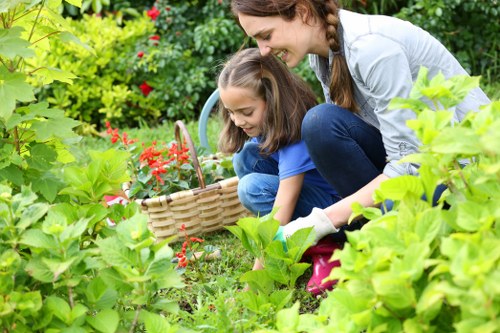
Gardeners Ickenham encourages practical actions that support the 70% recycling target: separate garden and food waste at source, use community composting points, donate tools and reusable materials to charities, and choose services that operate low-emission vehicles. Small changes—like reducing plastic bag use for green waste, chipping branches for mulch, or coordinating bulk collections with neighbours—add up to measurable environmental benefits. Together with council services, transfer stations and charitable partners, our community can create a resilient, low-carbon model for garden waste management that others can follow.Key recycling activities and next steps
Our focus areas include:
- Kerbside garden waste collection and community compost schemes
- Separation of food waste and dry recyclables according to borough guidance
- Use of local transfer stations and civic amenity sites for specialist processing
- Partnerships with charities for reuse and redistribution of garden tools and materials
- Investment in low-carbon vans, EV charging and route optimisation
By combining infrastructure improvements, community partnerships and low-emission logistics, Gardeners Ickenham is building an eco-friendly waste disposal area model that supports biodiversity, reduces emissions and returns resources to the soil. Join local initiatives, support reuse partners and choose sustainable collection services to make our shared green spaces healthier and more resilient.

