What to know about Hillingdon Council garden waste rules Ickenham
If you live in Ickenham, garden waste can be one of those little jobs that suddenly becomes a bigger job than expected. One week it is a bag of lawn cuttings; the next, it is a pile of hedge clippings, branches, and a wheelbarrow of soil after a tidy-up. Knowing What to know about Hillingdon Council garden waste rules Ickenham helps you avoid missed collections, unnecessary hassle, and the classic "where does this actually go?" moment.
This guide breaks things down in plain English. You will get the practical basics, the common mistakes, the best way to sort green waste, and how local garden upkeep fits in with council expectations. We will also cover when it makes sense to use a professional service, especially if your garden has got a bit out of hand after a busy spring or a windy weekend. Let's face it, gardens do not wait for you.
Contents
- Why it matters
- How it works
- Key benefits and practical advantages
- Who this is for and when it makes sense
- Step-by-step guidance
- Expert tips for better results
- Common mistakes to avoid
- Tools, resources and recommendations
- Law, compliance, standards, or best practice
- Options, methods, or comparison table
- Case study or real-world example
- Practical checklist
- Conclusion
- Frequently asked questions
Why What to know about Hillingdon Council garden waste rules Ickenham Matters
Garden waste rules matter because they affect three things at once: how tidy your outdoor space stays, how much effort you spend managing it, and whether your waste is handled in the right way. In a place like Ickenham, where many homes have front gardens, side access, patios, and small but productive back gardens, garden waste can build up quickly. A few hedge cuts here, a bit of turf there, and suddenly there is more material than you expected.
People often think garden waste is simple because it is "just natural stuff." In practice, it is a little more specific. Green waste, woody material, soil, and mixed household rubbish all need different handling. That is where council rules become important. If you separate things properly, everything moves more smoothly. If not, you can end up with contamination issues, delayed collection, or the need to sort it all again. Nobody wants that after a Saturday pruning session.
The other reason this topic matters is consistency. Regular garden maintenance is easier when you understand what can go into garden waste collections and what cannot. That makes planning easier too. For example, if you are arranging a seasonal tidy-up or using a service like garden maintenance, the way waste is collected and removed becomes part of the job, not an afterthought.
Expert summary: Garden waste rules are not just about bins. They are about sorting, timing, contamination, and choosing the right disposal route for the right material. Get that right, and the whole process feels far less stressful.
How What to know about Hillingdon Council garden waste rules Ickenham Works
At a practical level, council garden waste rules usually work on a simple principle: keep garden organics separate from general rubbish, and present them in the format the council accepts. That may mean a specific bin, a collection service, or instructions on how to bundle or prepare materials. The details can change, so it is always wise to check the current local guidance before putting anything out.
For Ickenham residents, the everyday question is often not "is this garden waste?" but "is this the right type of garden waste?" Grass cuttings, hedge trimmings, leaves, dead flowers, small twigs, and similar natural materials are usually the kind of waste people mean. Soil, rubble, treated timber, plastic plant pots, and general junk are a different story altogether. Mixed loads are where mistakes happen.
Think of it as two simple buckets in your head: organic garden waste and everything else. If you keep those buckets separate from the start, you save time later. And yes, that means resisting the temptation to sweep "just a few bits" into one bag. We have all been there, but the bag does not know you were in a rush.
There is also the issue of volume. A light pruning session creates a modest amount of waste. A full border clearance, hedge reduction, or lawn renovation creates far more. If you are dealing with larger volumes, a local service such as garden clearance may be more practical than trying to fit everything into household collection rules.
What usually belongs in garden waste
- Grass cuttings
- Leaves and small plant matter
- Flowers and deadheading waste
- Hedge trimmings and soft cuttings
- Small branches and twigs, where accepted
What usually does not belong
- Soil, stones, bricks, and rubble
- Plastic pots, trays, and packaging
- General household rubbish
- Treated wood, fencing offcuts, or construction waste
- Food waste mixed into garden bags
The broad rule is simple, even if the exact local collection details are more specific. Clean, natural garden material is one thing. Mixed or non-organic material is another. That distinction keeps collections efficient and recycling streams cleaner.
Key Benefits and Practical Advantages
Understanding the rules brings a lot of everyday benefits. Not glamorous, maybe, but very useful. First, it helps you avoid rejected waste or repeat sorting. Second, it makes your garden routine easier because you know what to do as you go. Third, it supports greener disposal, which matters if you care about reducing landfill and keeping reusable organic material in the right stream.
There is also a financial angle, even if it is subtle. Poorly sorted waste can mean extra time, extra collection arrangements, or paying for a more intensive clearance than you actually needed. By contrast, a well-managed garden waste routine keeps things efficient. That efficiency is one reason many homeowners pair regular mowing or hedge work with a system for removing cuttings. A service like lawn mowing or hedge trimming becomes much cleaner when waste handling is planned from the start.
Another advantage is presentation. A tidy garden feels better immediately. You hear it when the bins are closed properly, you see it when the path is clear, and you notice it when the back corner is not full of soggy bags after rain. That small sense of order is not nothing. It changes how the whole space feels.
- Less mess: Clear handling means fewer loose clippings and stray debris.
- Better timing: You can plan pruning and cut-back work around collection cycles or clearance visits.
- Cleaner disposal: Organic waste stays separate from mixed waste.
- Improved garden health: Regular removal of debris can reduce disease build-up and improve airflow.
- More manageable upkeep: A little and often approach is easier than one huge scramble.
If you are also thinking about improvements beyond basic tidying, planning waste removal alongside landscaping or landscape gardening work can save a lot of back-and-forth. Once you are digging, cutting, reshaping, or lifting old material, waste becomes part of the project, not an add-on.
Who This Is For and When It Makes Sense
This topic is relevant to more people than you might think. It is not just for keen gardeners with immaculate borders. It matters for homeowners, landlords, tenants with outside space, small businesses with planting areas, and anyone who does a periodic tidy-up before family visits, summer barbecues, or the inevitable moment when the garden looks better in your head than it does in reality.
It makes particular sense if you have:
- regular lawn cuttings and hedge trimmings
- seasonal leaf fall and border clear-outs
- shrubs, small trees, or mature planting that produce a lot of material
- limited storage space for waste waiting to be collected
- a physical reason to avoid lifting and moving heavy bags yourself
For some people, the rules are only a once-a-year concern after a big spring clean. For others, it is part of monthly maintenance. If your garden has lots of shrubs or you are managing overgrown areas, waste volume can rise faster than you expect. That is where regular services and sensible disposal planning matter. A complete garden refresh may also involve tree lopping and removal if branches or safety concerns have become part of the picture.
To be fair, the biggest difference is not whether you have a "big" garden. It is whether your garden produces mixed waste, frequently, or awkwardly. A tiny patio with a few planters can still create a surprising amount of green waste after one enthusiastic trim.
Step-by-Step Guidance
If you want to stay on the right side of the rules and keep the process painless, use a simple sequence. Nothing fancy. Just a steady routine.
- Sort the waste as you go. Keep green material separate from plastics, soil, and general rubbish from the start.
- Check what your council accepts. Local rules can differ on things like branches, compostable bags, or bin presentation.
- Reduce volume where sensible. Chop larger clippings down, shake excess soil from roots, and remove any contamination.
- Store waste neatly if collection is not immediate. Keep bags tied, dry where possible, and away from paths or drains.
- Use the right route for the right waste. Light organic waste may suit council collection; bulkier or mixed waste may need a clearance service.
- Plan around the season. Autumn leaves, spring pruning, and late-summer cuts all create different waste patterns.
- Keep an eye on safety. Gloves, sturdy shoes, and lifting in manageable amounts reduce the risk of strain or cuts.
A good habit is to treat waste handling as part of the gardening job, not the aftermath. When the clippings are already separated and ready to go, you finish faster and you are less likely to leave a pile "for later." Later, as everyone knows, has a sneaky way of becoming next week.
In many cases, the most efficient approach is to combine routine upkeep with periodic professional support. A planned visit for garden maintenance can cover trimming, cut-back work, and cleanup in one go. That tends to be calmer than trying to solve it in pieces.
Expert Tips for Better Results
Here is where a bit of experience saves you time. First, cut waste down before you bag it. Longer branches and bulky hedge trimmings look harmless until you try to move them through a narrow side gate. Smaller sections are easier to stack, carry, and store.
Second, keep wet waste separate where possible. Soggy leaves and grass cuttings are heavier, slippier, and more awkward to manage. If you can let waste dry slightly before bagging, it is often easier to handle. Not always possible, of course. British weather enjoys making its own decisions.
Third, think about the shape of the job, not just the size. A pile of light leaves may take up more space than a few dense branches. A hedge cut can create fluffy waste that fills bins quickly, while tree work often produces heavier, stiffer material. That is why a service such as hedge trimming or tree lopping and removal should ideally include waste planning from the outset.
Fourth, avoid mixing waste "just this once." It almost always creates more work later. One bag of organic material becomes one bag of mixed material, and suddenly you are sorting by hand with muddy gloves on. There are better ways to spend an afternoon.
Practical tip: If you are doing regular garden work, set up a simple three-way system: organic waste, reusable materials, and general rubbish. It sounds basic, but it prevents a lot of confusion.
Common Mistakes to Avoid
The same issues come up again and again, and most of them are easy to prevent.
- Mixing waste types: Garden waste, soil, and household rubbish should not be bundled together unless local guidance explicitly allows it.
- Overfilling bags or bins: Heavy or overstuffed containers are harder to handle and may be awkward for collection.
- Leaving long branches uncut: They take up space, can poke through bags, and are simply a nuisance to move.
- Ignoring damp conditions: Wet clippings get heavier and sloppier very quickly.
- Assuming all green waste is accepted the same way: Different materials behave differently, and councils may treat them differently too.
- Waiting too long to deal with it: A small pile of trimmings can turn into a decomposing heap before you know it.
One subtle mistake is underestimating how much waste a simple job creates. A ten-minute hedge trim can produce more debris than a full hour of light weeding. It catches people out every time. If you are already feeling pushed for time, it may be more efficient to book garden clearance rather than trying to juggle all the waste yourself.
Another issue is safety. Broken stems, hidden stones, and sharp offcuts can cause cuts or eye irritation. Gloves help, but so does slowing down. It sounds obvious, yet in practice people rush the final pile-up stage and that is when silly little accidents happen.
Tools, Resources and Recommendations
You do not need a shed full of specialist kit to deal with garden waste properly. A few sensible tools make the process much easier and safer.
- Sturdy garden gloves: Protect hands from thorns, splinters, and damp debris.
- Rake or leaf grabber: Useful for collecting cut grass and loose leaves.
- Pruning shears or loppers: Help reduce the size of branches and thick stems.
- Strong garden bags or bins: Make moving and storing waste more manageable.
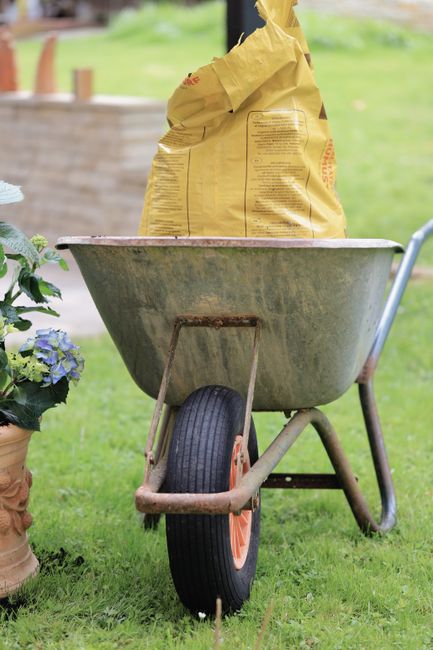
- Wheelbarrow: Still one of the most useful things in a garden, honestly.
- Basic sweeping tools: Keep paths and patios clear after cutting back or mowing.
For homeowners who prefer a tidy, low-stress process, it helps to choose services that include waste handling as part of the job. That might be regular mowing through lawn mowing, routine cutting via hedge trimming, or more involved work handled through services overview. The main thing is that the waste plan is not an afterthought.
If your garden is being reshaped rather than just maintained, you may also want to think about how new features will affect future waste. For example, some layouts are easier to keep clean than others. That is where planning support from landscaping or landscape gardening can pay off over time.
Law, Compliance, Standards, or Best Practice
This is one of those subjects where it helps to be careful and not overclaim. Council arrangements, collection rules, and accepted materials can change, so the safest approach is to treat local guidance as the deciding factor. In practical terms, the standard expectation across the UK is that garden waste should be kept separate from general waste whenever possible, especially when it is intended for composting, recycling, or organics processing.
Best practice usually means:
- keeping organic garden waste clean and uncontaminated
- not mixing soil, rubble, and household rubbish into garden waste streams
- presenting waste in the format or container the collection provider accepts
- avoiding overloading containers beyond sensible handling limits
- using safe manual handling methods for heavy or awkward loads
If you hire someone to remove garden waste, it is reasonable to expect them to work neatly, safely, and with proper care for disposal. Good providers should have clear operational standards, including insurance awareness and safe lifting practices. If you want to understand how a business approaches those expectations, the site's insurance and safety and health and safety policy pages are useful places to look.
There is also a customer-service angle. If something does not go as expected, a transparent business should have a clear process for dealing with it. That is where a page like complaints procedure can be reassuring. Not because problems are common, but because clarity matters when they do happen.
Options, Methods, or Comparison Table
There is more than one way to deal with garden waste in Ickenham. The best choice depends on how much waste you have, how much time you want to spend, and whether the waste is simple or mixed. Here is a quick comparison.
| Method | Best for | Pros | Watch-outs |
|---|---|---|---|
| Council garden waste collection | Regular light green waste | Convenient, familiar, often suitable for routine cuttings | May have rules on what is accepted and how it must be presented |
| DIY bagging and storage | Small jobs and occasional tidy-ups | Cheap, flexible, simple for minor tasks | Takes time and space; can become messy if left too long |
| Professional garden clearance | Large volumes or mixed waste | Fast, efficient, less lifting for you | Usually more costly than handling a small amount yourself |
| Regular maintenance visit | Ongoing upkeep | Prevents waste build-up and keeps the garden manageable | Requires scheduling, but that is part of the benefit |
If you are doing a small border tidy, DIY may be perfectly fine. If you are facing an overgrown hedge, a pile of branches, and a lawn that has gone a bit wild after rain, a clearance service is often the smarter option. There is no prize for wrestling fifty bags out to the front gate on your own.
Case Study or Real-World Example
A fairly typical Ickenham scenario goes like this. A homeowner sets aside one Saturday to tidy the back garden after a wet few weeks. The plan is simple: cut the hedge, mow the lawn, pull a few weeds, and sweep the patio. Easy enough, right?
By lunchtime, there are hedge clippings by the fence, grass clumps near the mower, a few thick twigs from an unexpected prune, and a couple of old pots that "might as well go too." Suddenly the waste is no longer one type of material. It is a small mixed project.
In a case like this, the most sensible move is to sort the material immediately. Green waste into one pile, plastics and broken pots into another, and bulky branches set aside separately. If the volume is still awkward, a clearance visit can take the pressure off. That is often what turns a stressful weekend into a manageable one.
What people usually notice afterward is that the garden looks better not only because it is cut back, but because the cleanup has been completed properly. The whole place breathes easier. Sounds a bit poetic, maybe, but it is true. A clear garden feels calmer.
Practical Checklist
Use this checklist before you put garden waste out or arrange collection.
- Have I separated green waste from general rubbish?
- Have I removed soil, stones, plastic, and treated wood?
- Are branches and stems cut down to a sensible size?
- Are bags or containers secure and not overfilled?
- Is the waste dry enough to handle safely, where possible?
- Do I know the current local collection rules for my property?
- Have I planned for the amount of waste this job will create?
- Would a maintenance or clearance service save time this month?
- Do I have gloves, sturdy shoes, and basic tools ready?
- Is there a safer or easier way to deal with bulky material?
If you can tick most of those off, you are in good shape. If not, no drama. It just means the job needs a little more planning.
Get a free quote today and see how much you can save.
Conclusion
For Ickenham residents, the main thing to understand about Hillingdon Council garden waste rules is that good sorting and sensible handling make everything easier. Keep organic material separate, avoid mixing in the wrong items, and choose the right disposal route for the amount of waste you actually have. That simple approach saves time, reduces mess, and makes the garden easier to enjoy.
There is no need to overcomplicate it. Start with the basics, build a routine that suits your garden, and get support when the job grows beyond a quick tidy. Whether you are maintaining a small patch or managing a larger outdoor space, the goal is the same: a garden that looks cared for and a waste process that does not get in your way. Bit by bit, it all becomes easier.
If you want a cleaner, calmer garden and a more straightforward way to manage the cuttings, clippings, and clearance work, it is worth planning ahead rather than reacting when the pile is already there. The best garden jobs tend to end quietly, with the path swept clean and the last bag tied properly. Nice feeling, that.
Frequently Asked Questions
What counts as garden waste under local collection rules?
Usually, garden waste means natural material such as grass cuttings, leaves, hedge trimmings, flowers, and small plant matter. The exact list can vary, so it is always sensible to check current local guidance before putting anything out.
Can I put soil in my garden waste bin?
Soil is often treated differently from green waste and may not be accepted in a standard garden waste collection. It is best to keep soil separate and use the correct disposal route for it.
Are branches and twigs allowed?
Small branches and twigs may be accepted if they are properly prepared, but larger woody material can be a different matter. Cutting them down to a manageable size usually helps, although local rules still matter.
What should I do with leaves in autumn?
Leaves are a common form of garden waste and are usually collected as part of green waste handling. If you have a lot of them, storing them neatly and keeping them dry can make the job much easier.
Can I mix garden waste with household rubbish?
No, that is one of the most common mistakes. Mixed waste is harder to process and can lead to rejected collections or extra sorting later.
Do I need professional help for a small garden?
Not always. If the waste is light, clean, and easy to manage, DIY handling may be enough. Professional help makes more sense when the waste is bulky, awkward, or mixed with other materials.
How often should I arrange garden waste removal?
That depends on how quickly your garden grows and how much maintenance you do. Some people manage with occasional clearances, while others prefer regular maintenance visits to keep everything under control.
What is the easiest way to avoid contamination in garden waste?
Sort as you go. Keep green waste in one pile, and move plastics, rubble, and general rubbish somewhere else. It sounds simple because it is, and that is usually the point.
Is garden clearance different from regular maintenance?
Yes. Maintenance is about keeping the garden in good shape over time, while clearance is for bigger, messier, or more overgrown jobs that create more waste at once.
What if I have more waste than I expected?
That happens all the time. If the pile is larger than planned, it may be more efficient to switch from DIY disposal to a clearance service rather than forcing everything into bins or bags.
How can I keep my garden waste easier to manage in future?
Prune little and often, cut bulky material down early, and clear debris before it spreads. A regular schedule makes a huge difference, especially in busy growing months.
Where does sustainability fit into all this?
Keeping garden waste clean and separated supports better recycling and organics processing. It is a small habit, but it contributes to a cleaner and more responsible way of managing the garden.
For more help with regular upkeep, practical disposal planning, or larger outdoor projects, you can also explore recycling and sustainability and the wider services overview to see how the pieces fit together.